

2.2512300905157.png) Stop roof leaks! Learn why the chimney cricket is the most overlooked but crucial part of your roof system. Pineapple Roofing experts explain how this triangular diverter prevents water damage and extends your roof's lifespan.
Stop roof leaks! Learn why the chimney cricket is the most overlooked but crucial part of your roof system. Pineapple Roofing experts explain how this triangular diverter prevents water damage and extends your roof's lifespan.
As a homeowner in Dallas-Fort Worth, you pay attention to the visible parts of your roof system: the sturdy shingles, the clean gutters, and the proper roof ventilation. But what about the small, often-unseen structural details that make the biggest difference in long-term roof performance?
At Pineapple Roofing, we know that sometimes the smallest features carry the greatest weight in roof leak prevention. One of the most critical and overlooked details on many homes is the chimney cricket.
Often going unnoticed, this simple structure is the unsung hero that prevents chronic water intrusion and costly roof leaks behind your chimney. If you have a chimney and have ever dealt with a persistent roof leak, this is the article for you.
Understanding the Chimney's Essential Water Diverter
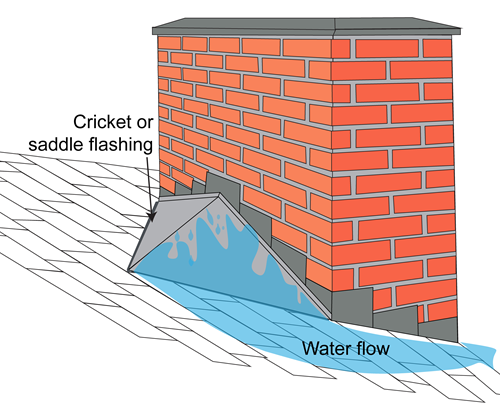 A chimney cricket is a small, triangular structure, sometimes called a "saddle," that is specifically designed and built on the upslope side of a chimney.
Its purpose is simple yet vital: to manage the flow of water and ensure proper roof drainage.
When a large structure like a chimney interrupts the natural downhill path of roof water runoff, the water slows, spreads, and pools directly behind the masonry. The cricket acts like a water diverter, splitting the flow and channeling it safely to the sides of the chimney. This is critical for any effective roof water management system.
A properly built chimney cricket installation accomplishes several crucial tasks:
Bypasses the Blockage: It pushes water to the left and right, ensuring the chimney wall doesn't act as a barrier to water flow.
Eliminates Ponding: It prevents standing water from pooling directly against the roof deck and asphalt shingles.
Reduces Flashing Stress: By managing the high volume of water, it prevents your chimney flashing from being overwhelmed and failing prematurely.
Protects the Roof Deck: It keeps the vulnerable wood beneath your shingles dry and sound, preventing expensive wood rot repairs.
Water management is the key to a long-lasting roof replacement, and the chimney cricket is one of the most effective tools available for this high-risk area.
Why Chimneys Without This Feature Suffer Chronic Water Damage
Many homeowners suffer from frustrating, repeat leaks near their chimney. They call for leak repair, patch drywall, and hire contractors for quick fixes, only for the roof leak to reappear during the next heavy storm.
This constant battle is often the direct result of a chimney lacking a cricket. Without proper diversion, the chimney flashing is asked to perform an impossible job.
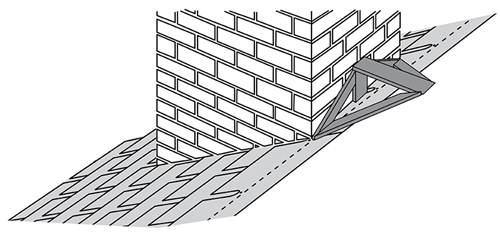 Here are the four biggest reasons why chimneys without crickets struggle with water intrusion:
1. High Water Pressure and Accumulation
During a downpour, the sheer volume of roof runoff slows to a near stop when it hits the chimney’s vertical wall. This creates a small, but persistent, reservoir of standing water. Even the best flashing repair is not designed to act as a dam, and this standing water will eventually exploit the smallest gap to infiltrate your roof system.
2. Accelerated Shingle Deterioration
Asphalt shingles are designed to shed water quickly—not sit in it. Continuous pooling behind a chimney will cause the shingles in that specific area to deteriorate far faster than the rest of your new roof. They may soften, warp, curl, or blister years before they should, leading to early shingle failure.
3. Flashing Under Extreme Strain
Chimney flashing is your primary defense against roof leaks, and it works best when water flows predictably downhill. When water collects and presses against the back flashing, it accelerates corrosion, creates stress points, and eventually forces its way past the seals. Once the flashing fails, water intrusion begins almost immediately.
4. Organic Debris Trapping
The area behind a chimney is a natural catch-point for leaves, twigs, dirt, and shingle granules. When this debris settles into pooled water, it holds moisture, accelerates wood rot, encourages mold, and ultimately creates a dam that forces water under the shingles.
A simple chimney cricket solves all of these issues by keeping the area dry and clear of standing water, which is why it is often recommended during a full roof inspection.
Working Together: The Cricket and Multi-Layered Flashing System
While a cricket is essential, it must work in harmony with a well-built chimney flashing system. At Pineapple Roofing, we treat these as an integrated moisture barrier.
The Components of Robust Flashing:
Step Flashing: Layered metal pieces installed in a stair-step pattern. This creates multiple, overlapping layers of protection that direct water forward.
Counter Flashing: The second layer that sits over the step flashing. It is often sealed into the brick mortar joints, preventing water from slipping behind the primary metal defense.
Pan / Back Flashing: A wide piece of metal covering the vulnerable back side. The cricket channels heavy water flow directly onto this piece, maximizing its effectiveness.
The Power Combination: You need both a chimney cricket and a strong, multi-layered flashing system for complete, long-term roof protection and leak prevention.
Long-Term Value: Boosting Your Roof’s Endurance and Life Span
Installing a chimney cricket is one of the most cost-effective ways to add years of life to your roofing system. By simply reducing the daily stress of moisture on your materials, you gain significant long-term benefits:
Preservation of Decking: The underlying roof wood remains dry, preventing rot, sag, and costly structural roof damage.
Optimized Shingle Performance: Shingles in the area are kept dry, allowing them to last as long as the rest of the roof's warranty.
Fewer Future Repairs: Chronic, costly chimney leaks disappear, saving you money and hassle.
Superior Storm Resilience: Your roof is far better equipped to handle torrential downpours and high-water volume during severe weather.
Identifying a Need for Professional Chimney Cricket Installation
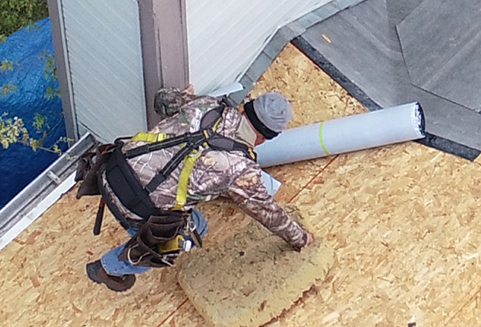 Many homes are built without crickets because builders often focus on minimum functionality, not long-term protection. If your home has a chimney, you should check for these signs of water flow problems:
Moisture evidence on interior ceilings or walls near the chimney/fireplace.
Visibly deteriorated shingles (warped, dark, or missing granules) directly behind the chimney.
Recurring flashing problems that never seem to be permanently fixed.
Accumulation of debris that creates a damming effect after storms.
Soft spots or signs of rot in the roof deck near the chimney area.
If you’re replacing your roof, this is the ideal time to add a chimney cricket and guarantee your home is protected for decades.
The Pineapple Promise: A chimney cricket is not a minor detail, it's a critical investment in your home's integrity. It provides long-lasting protection that saves you time, money, and frustration from roof leaks.
Are you experiencing recurring leaks or planning a roof replacement? Contact Pineapple Roofing today for a comprehensive roof inspection and we'll ensure your roof system, including that vital chimney cricket, is built to last! We are your local experts for reliable roof repair and roof replacement in DFW.