
If you've filed a hail damage claim with your insurance company, one of the next steps is a visit from an insurance adjuster. For many Frisco homeowners, this inspection feels like a black box, someone shows up, walks around for 30 minutes, and then determines whether you get a new roof or a denial letter.
Understanding what adjusters are actually evaluating and how the process works helps you approach the inspection as an informed homeowner rather than a passive bystander. Here's what you need to know.
Who Are Insurance Adjusters?
Insurance adjusters are professionals trained to assess property damage and calculate the cost of claims. There are two types you may encounter:
Staff adjusters: employed directly by your insurance company and paid a salary. They handle claims year-round.
Independent adjusters (or CAT adjusters): contracted during high-volume periods like major storm seasons. They may be less familiar with local pricing and roofing standards.
In both cases, adjusters are working from a standardized checklist and pricing software (most commonly Xactimate) to calculate the value of your claim. Knowing this helps you understand why having a local contractor present who knows current DFW material costs makes a real difference.
The Inspection Checklist: What They're Looking At
Soft Metal Surfaces
Adjusters almost always start with gutters, downspouts, flashing, HVAC units, and roof vents. These surfaces show hail impact clearly and help adjusters confirm the size and density of hail during the storm. Multiple dents of consistent size across soft metals is strong evidence of a qualifying hail event.
Shingle Condition
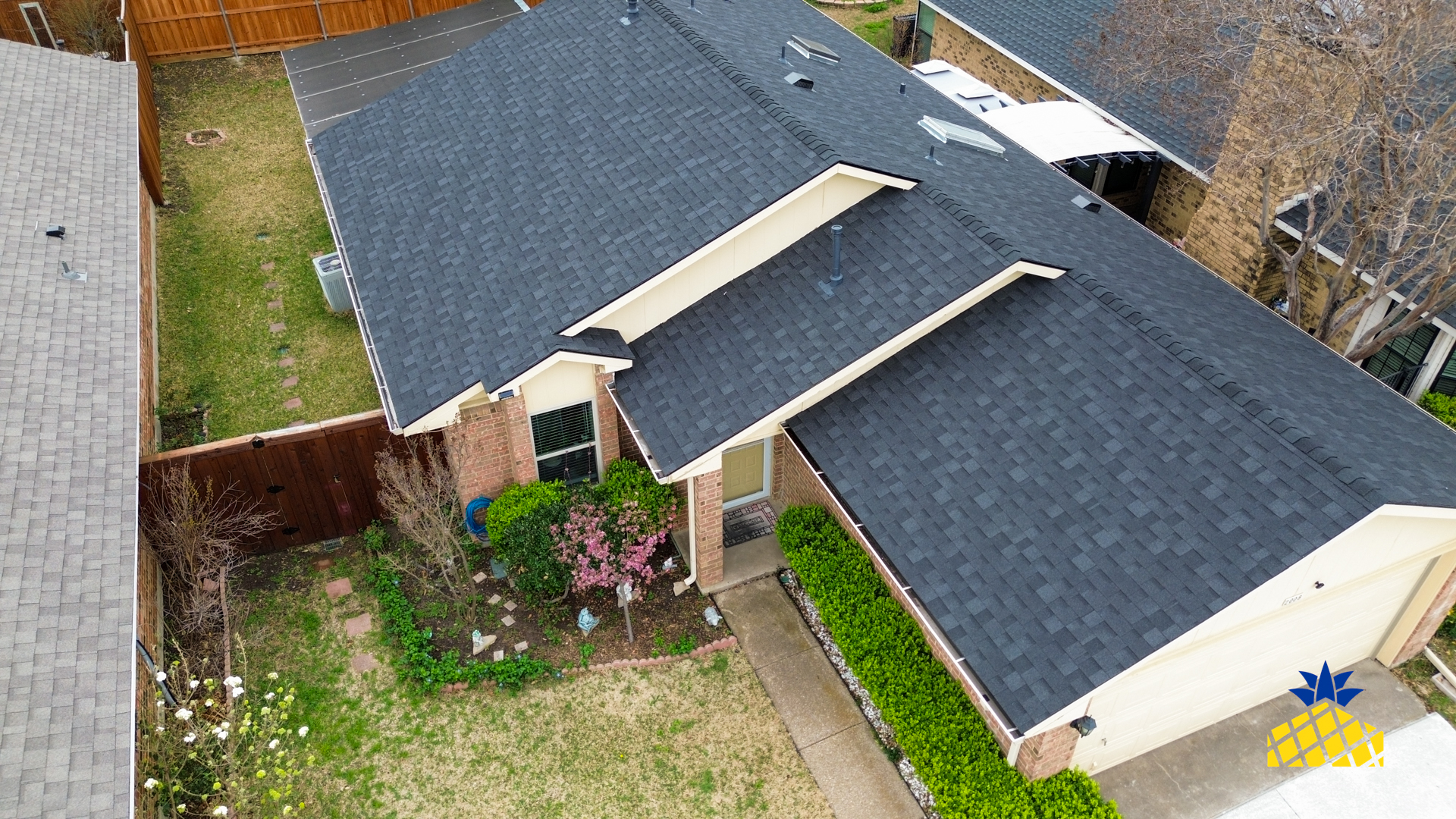
On the roof itself, adjusters evaluate shingle condition across all slopes. They're looking for:
Bruising: soft impacts that damage the fiberglass mat beneath the surface
Granule loss: bare patches where protective granules have been knocked away
Cracks or splits: physical fractures in the shingle from larger hailstones
Pattern consistency: legitimate hail damage appears in a consistent pattern, while random damage may suggest normal wear
Flashing and Penetrations
Anywhere the roof surface is interrupted (chimneys, skylights, vents, and pipe boots) is a potential entry point for water. Adjusters check that all flashing remains properly sealed and that hail hasn't bent or dislodged metal components.
Roof Age and Prior Condition
Adjusters note the approximate age of the roof and any signs of pre-existing damage or deferred maintenance. This affects depreciation calculations and, in some cases, can be used to limit payouts on older roofs. This is another reason why a proactive inspection before storm season and documentation of your roof's good condition can pay off.
Functional vs. Cosmetic Damage: The Critical Distinction
One of the most important determinations adjusters make is whether damage is functional or cosmetic.
Functional damage compromises the roof's ability to protect your home from water intrusion. This is what insurance is designed to cover.
Cosmetic damage affects appearance only. Surface scuffs, minor dents that don't break the protective surface and many Texas policies explicitly exclude cosmetic damage.
This distinction can be subjective, and it's one of the most common points of disagreement between homeowners and insurers. If you believe your adjuster is classifying functional damage as cosmetic, your contractor can help you prepare a documented rebuttal or request a re-inspection.
What Adjusters Won't Tell You (But You Should Know)
You can request a re-inspection if you disagree with the findings
You can hire a public adjuster to represent your interests if a claim is denied
You have the right to invoke appraisal, a formal dispute process, if you and the insurer can't agree on the value of a claim
Supplemental claims are normal and common. If additional damage is found during repairs, your contractor can submit a supplement to cover it
How to Prepare for the Adjuster's Visit
Have your contractor schedule the appointment and be present on-site
Provide your contractor's inspection report and photos to the adjuster
Point out all soft metal damage before going on the roof
Ask the adjuster to explain any areas they're not including in the claim
Don't sign anything or accept a settlement on the day of the inspection
Review the written scope of loss carefully before agreeing to any payout
Final Thoughts
An insurance adjuster's visit is an important step in the claims process, but it doesn't have to feel intimidating. The more prepared you are, and the better documentation you have from an independent inspection, the smoother the process will go.
Pineapple Roofing works alongside homeowners throughout the entire insurance process, from the initial inspection to final settlement. We know what adjusters look for because we work with them every day. Schedule your free inspection at pineapplecontractors.com.